
In today’s fast-moving digital world, customers don’t interact with brands in just one place, they move across multiple platforms, devices, and touchpoints before making a decision. That’s why omnichannel marketing has become the new standard for businesses that want to stay competitive and grow.
It’s no longer enough to simply “be online.” Brands must now deliver a seamless, connected experience everywhere their audience exists.
What Is Omnichannel Marketing?
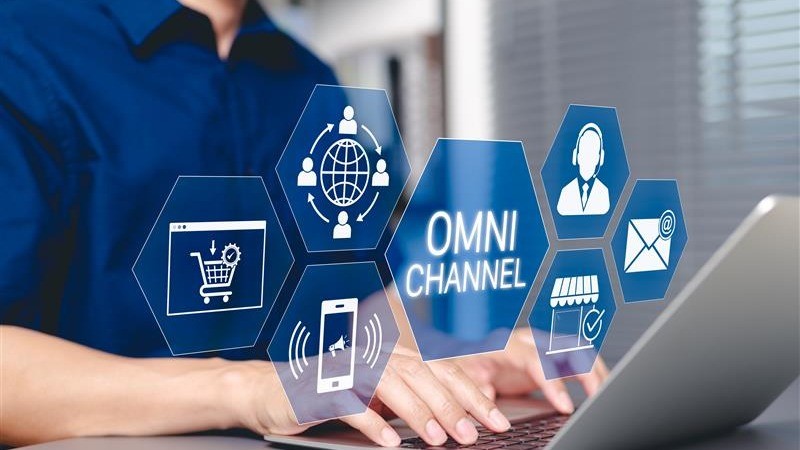
Omnichannel marketing is a strategy that creates a unified and consistent brand experience across all channels, whether that’s your website, social media, email, paid ads, or even offline touchpoints.
Unlike multichannel marketing (where channels operate separately), omnichannel connects everything together. The goal is simple: wherever your customer interacts with your brand, the experience feels smooth, relevant, and personalised.
Why Omnichannel Marketing Matters More Than Ever
1. Customer behaviour has changed
Modern consumers switch between devices and platforms constantly. They might discover your brand on Instagram, visit your website later, and finally convert through email or Google.
If those experiences aren’t connected, you lose trust and sales.
2. Consistency builds trust
When your messaging, visuals, and tone are consistent across all channels, your brand becomes more recognisable and credible. Trust is built through repetition and familiarity.
3. Better data, better decisions
An omnichannel approach allows you to collect and connect data from multiple touchpoints. This gives you a clearer picture of your audience and helps you create more targeted, effective campaigns.
4. Higher conversions and retention
Customers are more likely to engage and buy when their journey feels effortless. A seamless experience removes friction and keeps people coming back.
Key Elements of a Successful Omnichannel Strategy
Unified branding
Your visuals, voice, and messaging should align across every platform.
Customer-centric approach
Focus on the customer journey, not just individual channels.
Integrated technology
Use tools and platforms that allow your data and campaigns to work together.
Personalisation
Deliver relevant content and offers based on user behaviour and preferences.
Common Mistakes to Avoid
- Treating each channel separately
- Inconsistent messaging or design
- Ignoring customer data
- Focusing on platforms instead of the customer journey
Avoiding these mistakes can be the difference between a disconnected presence and a powerful, growth-driven strategy.
How to Get Started
Start by mapping your customer journey from first interaction to conversion. Identify where your audience spends time and ensure your brand delivers a consistent experience at every step.
You don’t need to be everywhere, but you do need to be connected everywhere you are.
Conclusion
Omnichannel marketing is no longer a trend; it’s the foundation of modern brand growth. Businesses that embrace it are seeing stronger engagement, higher conversions, and better long-term relationships with their customers.
If you want to stay competitive in 2026 and beyond, building a seamless, omnichannel experience isn’t optional—it’s essential.
FAQs
1. What is the difference between omnichannel and multichannel marketing?
Multichannel uses multiple platforms independently, while omnichannel connects them to create one seamless customer experience.
2. Is omnichannel marketing only for large businesses?
No, businesses of all sizes can benefit. Even small brands can create connected experiences across key platforms.
3. Which channels should I include in an omnichannel strategy?
It depends on your audience, but common channels include websites, social media, email, paid ads, and messaging platforms.
4. How do I measure success in omnichannel marketing?
Key metrics include customer engagement, conversion rates, retention, and overall customer journey performance.
5. Does omnichannel marketing require expensive tools?
Not necessarily. While advanced tools help, you can start with simple integrations and scale as your business grows.