
The Three Faces of Authority:
One of the most common questions businesses ask is:
Should I invest in SEO or paid ads?
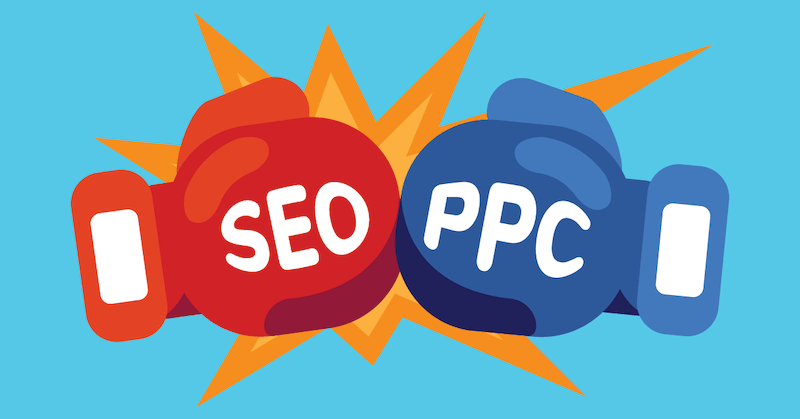
The answer isn’t as simple as choosing one over the other. Both strategies play a crucial role in driving traffic, generating leads, and growing your business; but they work in very different ways.
In this guide, we’ll break down SEO vs paid ads, compare their benefits, and help you decide which is right for your business.
What Is SEO?
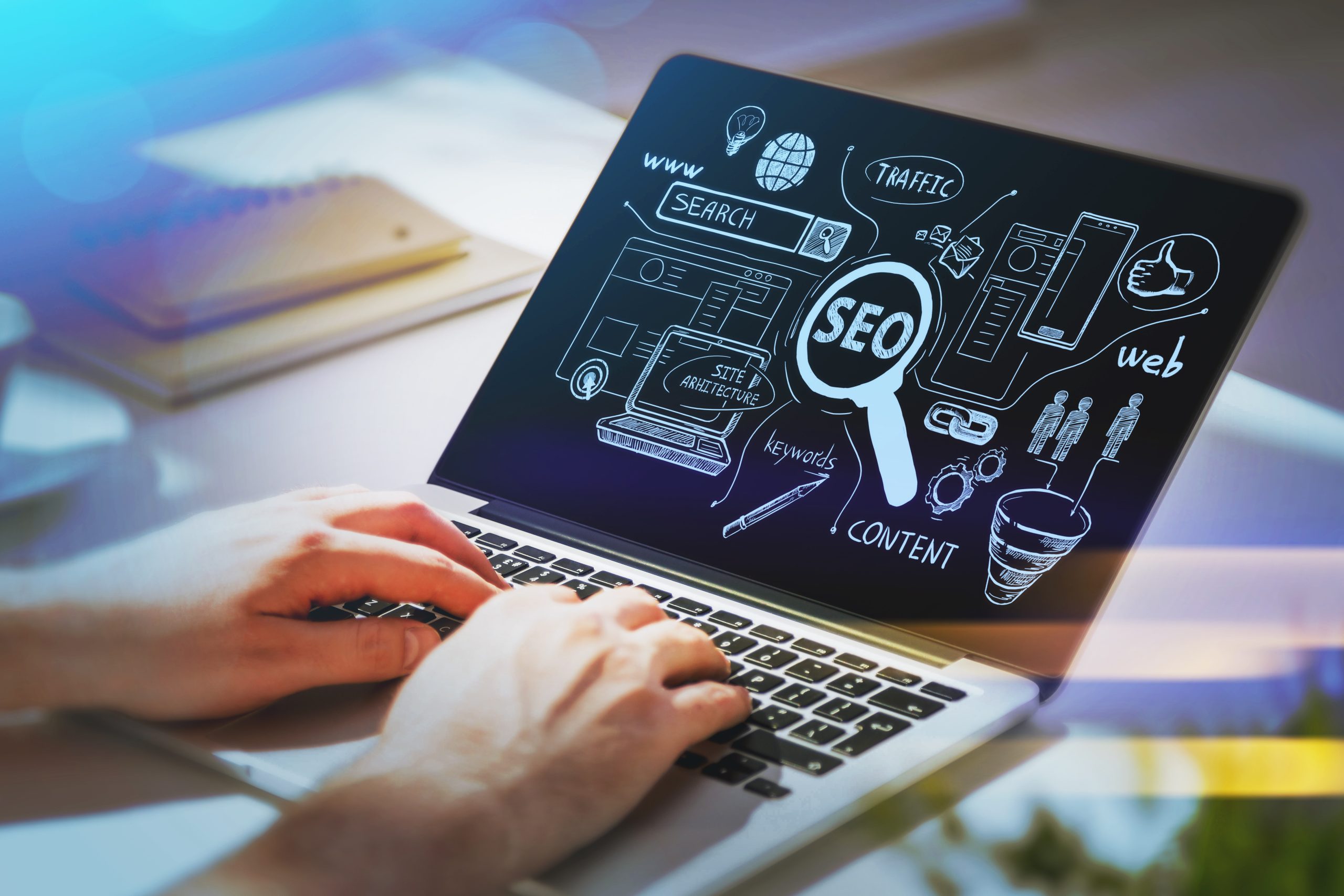
Search Engine Optimisation (SEO) is the process of improving your website’s visibility in organic (unpaid) search results.
This involves:
- Keyword optimisation
- Content creation
- Technical improvements (site speed, mobile optimisation)
- Backlink building
“The goal? To rank higher on search engines like Google and attract consistent, long-term traffic.
SEO is a long-term strategy, but once it works, it can deliver ongoing traffic without paying for every click.”
Cynthia Adediran
What Are Paid Ads (PPC)?
Paid ads – often referred to as Pay-Per-Click (PPC), allow you to pay for visibility at the top of search results or across platforms like Google and social media.
You pay each time someone clicks your ad.
Key features:
- Instant visibility
- Highly targeted audiences
- Scalable campaigns
- Measurable results
Unlike SEO, paid ads can drive traffic immediately after launch.
SEO vs Paid Ads: Key Differences
| Factor | SEO | Paid Ads |
|---|---|---|
| Cost | Free traffic (after investment) | Pay per click |
| Speed | Slow (3–6 months) | Instant results |
| ROI | Long-term, compounding | Short-term |
| Traffic | Sustainable | Stops when budget ends |
| Trust | High (organic results) | Lower (ads) |
SEO vs Paid Ads: Performance & Statistics
Understanding the numbers can help you make a smarter decision:
- 53% of all website traffic comes from organic search, compared to 27% from paid ads
- SEO conversion rates average 14.6% vs ~10% for paid ads
- SEO can generate up to 12x ROI, compared to around 2:1 for PPC
- Cost-per-acquisition from SEO is significantly lower over time
The takeaway: SEO wins long-term, while paid ads win short-term.
Benefits of SEO
1. Long-Term Growth
SEO builds momentum over time. Once your site ranks, it can generate traffic for months or years.
2. Higher Trust & Credibility
Users trust organic results more than ads—many actively skip paid listings.
3. Better ROI Over Time
SEO becomes more cost-effective as your rankings improve and traffic grows.
4. Compounding Results
Your content keeps working for you—even when you’re not actively investing.
Benefits of Paid Ads
1. Instant Results
Launch today, get traffic tomorrow. Perfect for fast growth or urgent campaigns.
2. Precise Targeting
You can target users based on location, interests, behaviour, and search intent.
3. Scalability
Increase budget = increase traffic.
4. Data & Testing
Paid ads allow you to quickly test offers, messaging, and audiences.
Disadvantages of SEO
- Takes time (often 3-6 months to see results)
- Requires consistent effort and content creation
- Algorithm updates can affect rankings
Disadvantages of Paid Ads
- Can become expensive quickly
- Traffic stops when you stop paying
- Increasing competition raises costs
- Ad fatigue can reduce performance over time
When Should You Choose SEO?
SEO is best if you:
- Want long-term, sustainable growth
- Have time to invest in strategy
- Want to reduce long-term marketing costs
- Focus on building brand authority
When Should You Choose Paid Ads?
Paid ads are ideal if you:
- Need immediate traffic or leads
- Are launching a new product/service
- Want quick testing and validation
- Have a flexible marketing budget
The Smartest Strategy: Use Both
The most successful businesses don’t choose between SEO and paid ads—they combine them.
Here’s how:
- Use paid ads for immediate traffic and testing
- Use SEO for long-term growth and scalability
- Let data from PPC inform your SEO strategy
- Build organic content around high-performing ad keywords
This combined approach maximises visibility, conversions, and ROI.
Final Verdict: Which Is Better?
SEO is better for long-term growth and ROI
Paid ads are better for speed and immediate results
But the real answer is:
You need both.
If you rely only on ads, you’ll always pay for traffic.
If you rely only on SEO, you’ll grow slower.
The winning strategy is balancing short-term wins with long-term dominance.
FAQs
1. Is SEO better than paid ads?
SEO is better for long-term growth and ROI, while paid ads are better for immediate results. The best approach is to use both.
2. How long does SEO take to work?
SEO typically takes 3–6 months to start showing results, depending on competition and strategy.
3. Are paid ads worth it?
Yes, especially for quick leads, product launches, and short-term campaigns. However, they require continuous budget.
4. Which is cheaper: SEO or PPC?
SEO is cheaper in the long run, while PPC can be more expensive due to ongoing ad spend.
5. Can SEO and PPC work together?
Yes. Combining both increases visibility, improves data insights, and maximises ROI.
6. Do paid ads help SEO?
Indirectly, yes. PPC provides keyword and audience data that can improve your SEO strategy.
7. What has a higher conversion rate: SEO or PPC?
SEO generally has higher average conversion rates (around 14.6%) compared to PPC.
8. Should small businesses use SEO or paid ads?
Small businesses should start with a mix—use paid ads for quick wins and SEO for long-term growth.